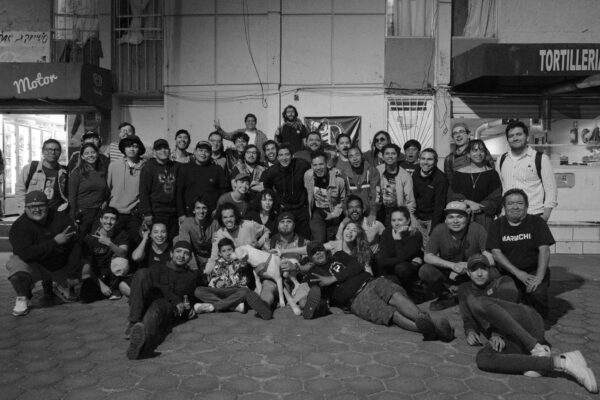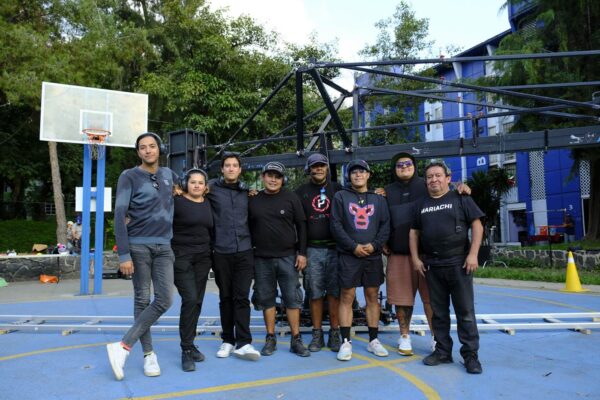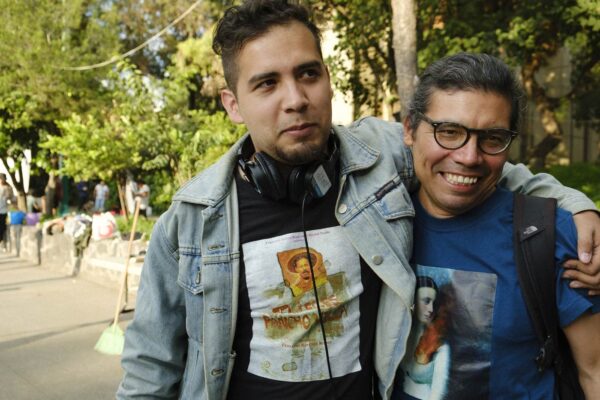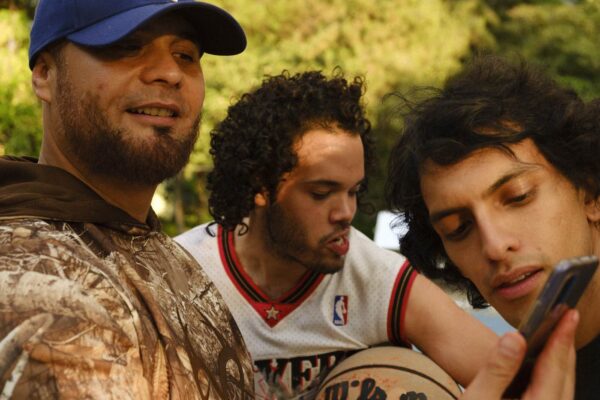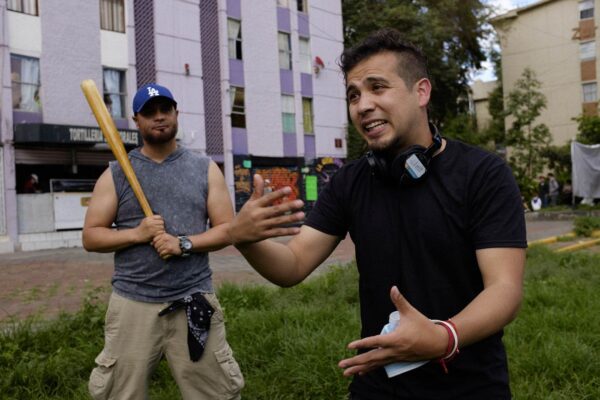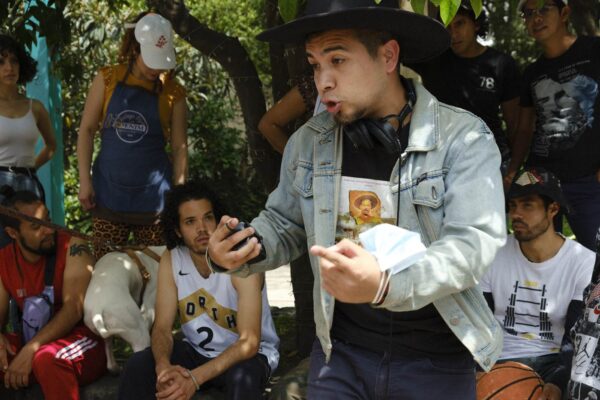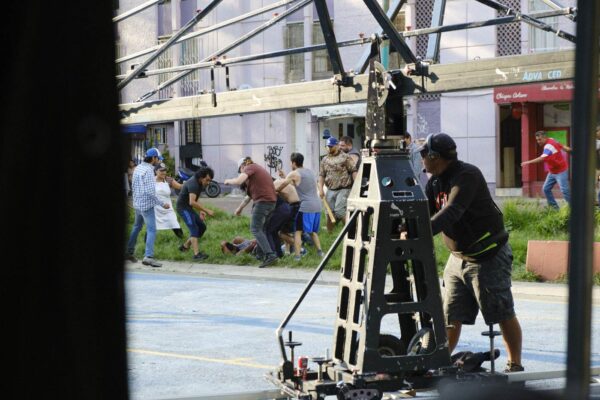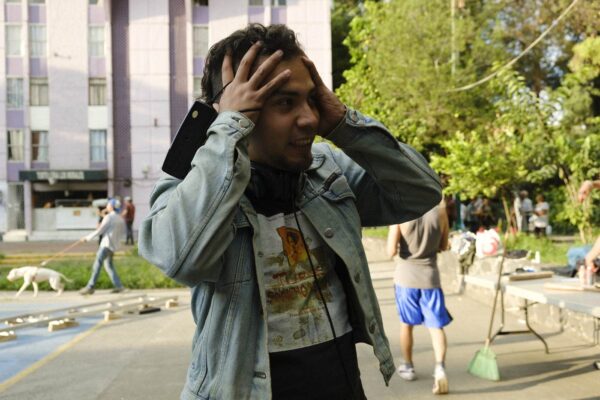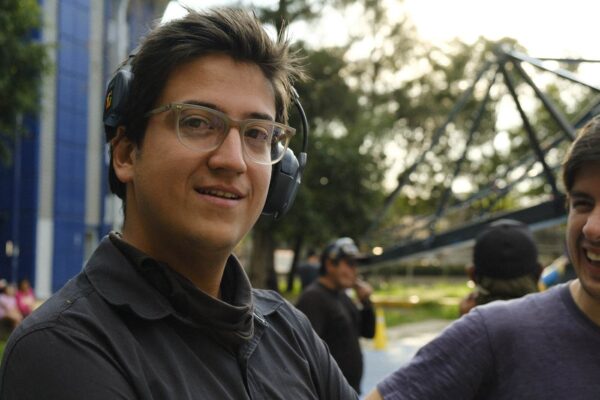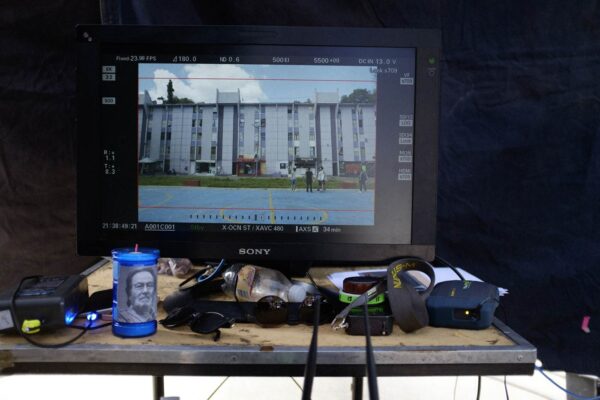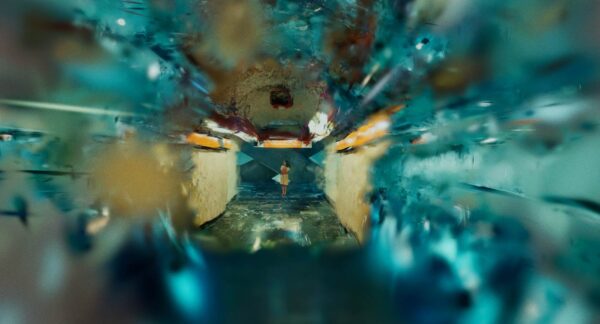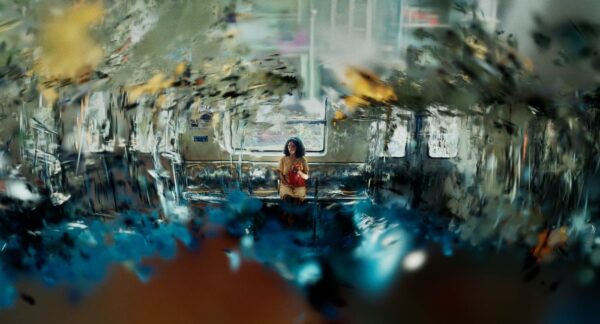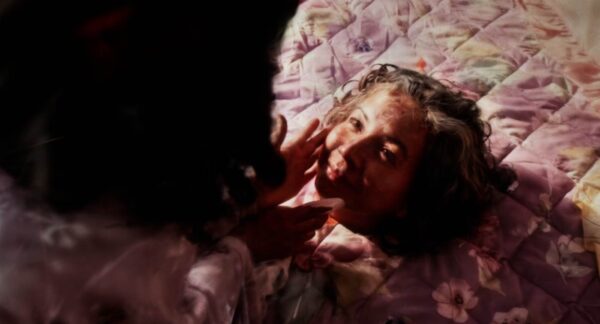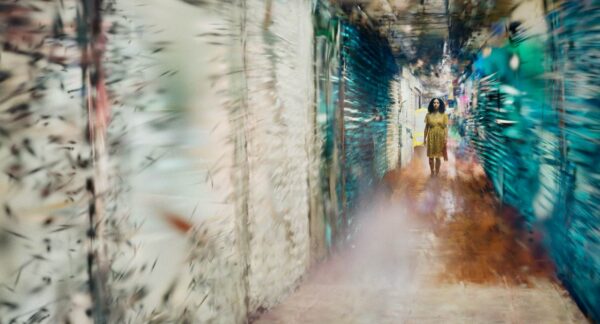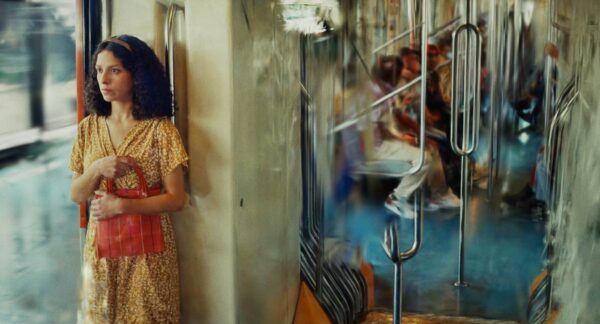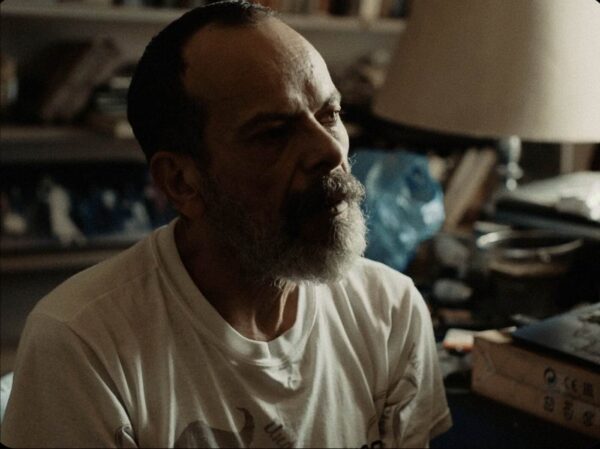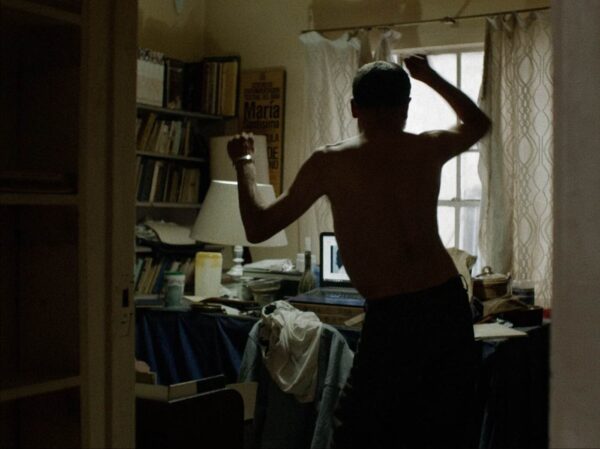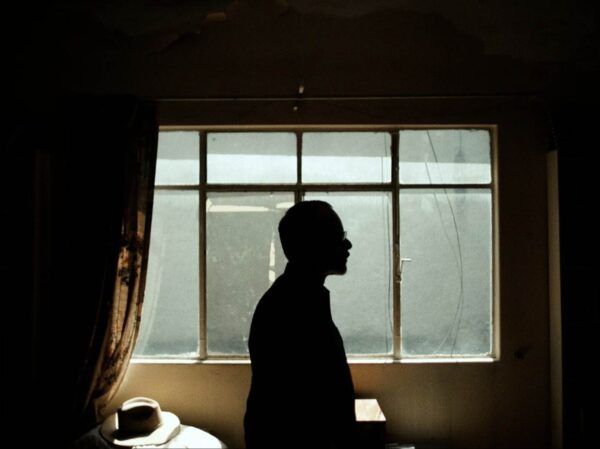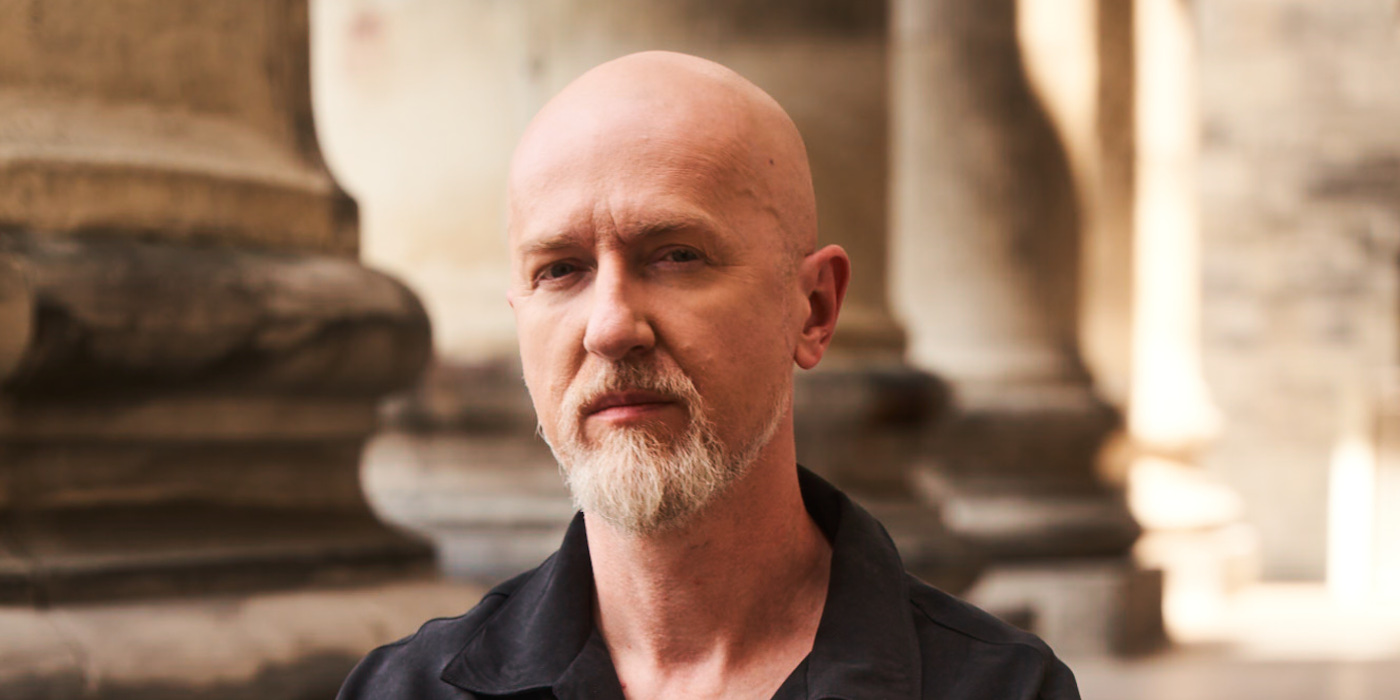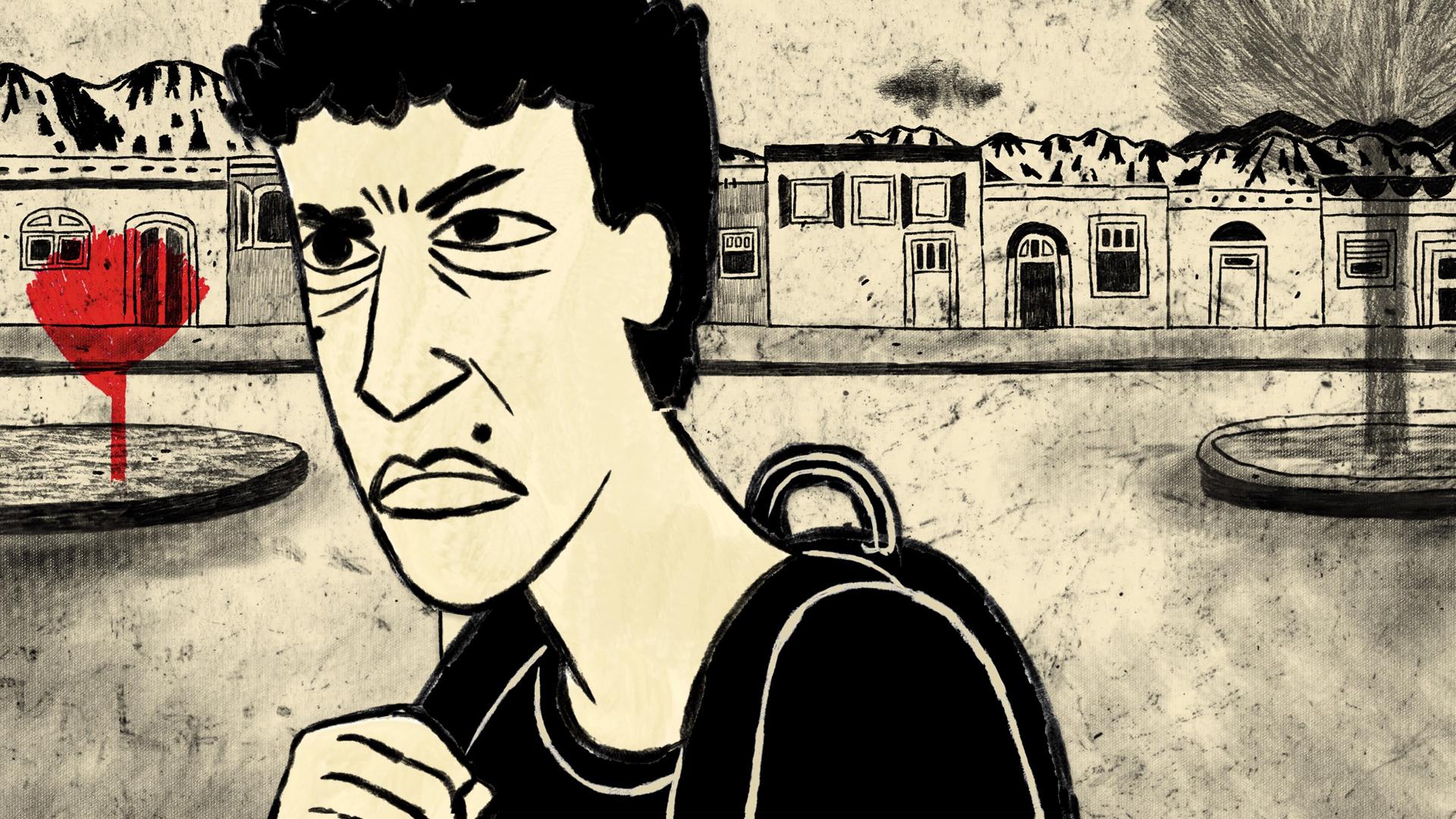
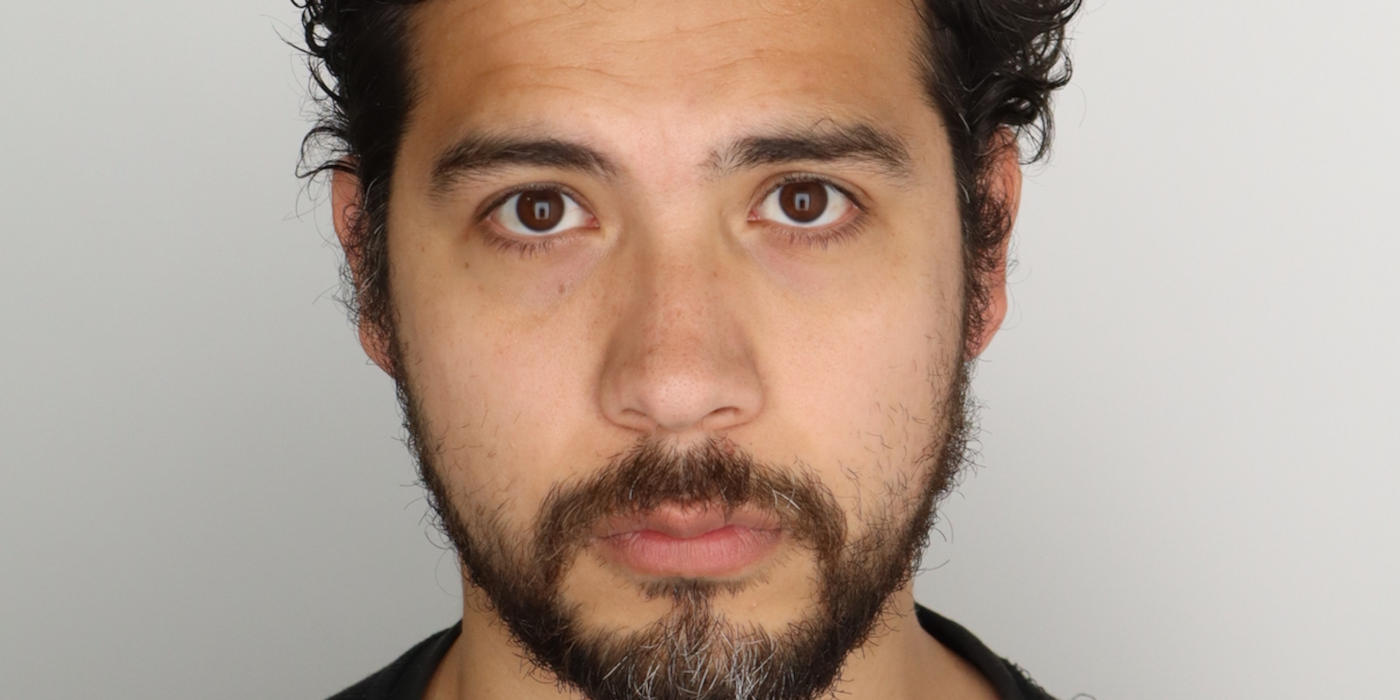
Natalia Kulik interviews Gerardo del Razo, director of “Family Sunday” and winner of the Golden Dinosaur at the 32nd Etiuda&Anima International Film Festival (2025).
Natalia:
Hi Gerardo, so good to see you! I wanted to ask you about everything that has happened since winning the award at Etiuda&Anima. Unfortunately, you couldn’t attend the festival in person, but your film made a huge impression. What has your journey looked like since then?
Gerardo:
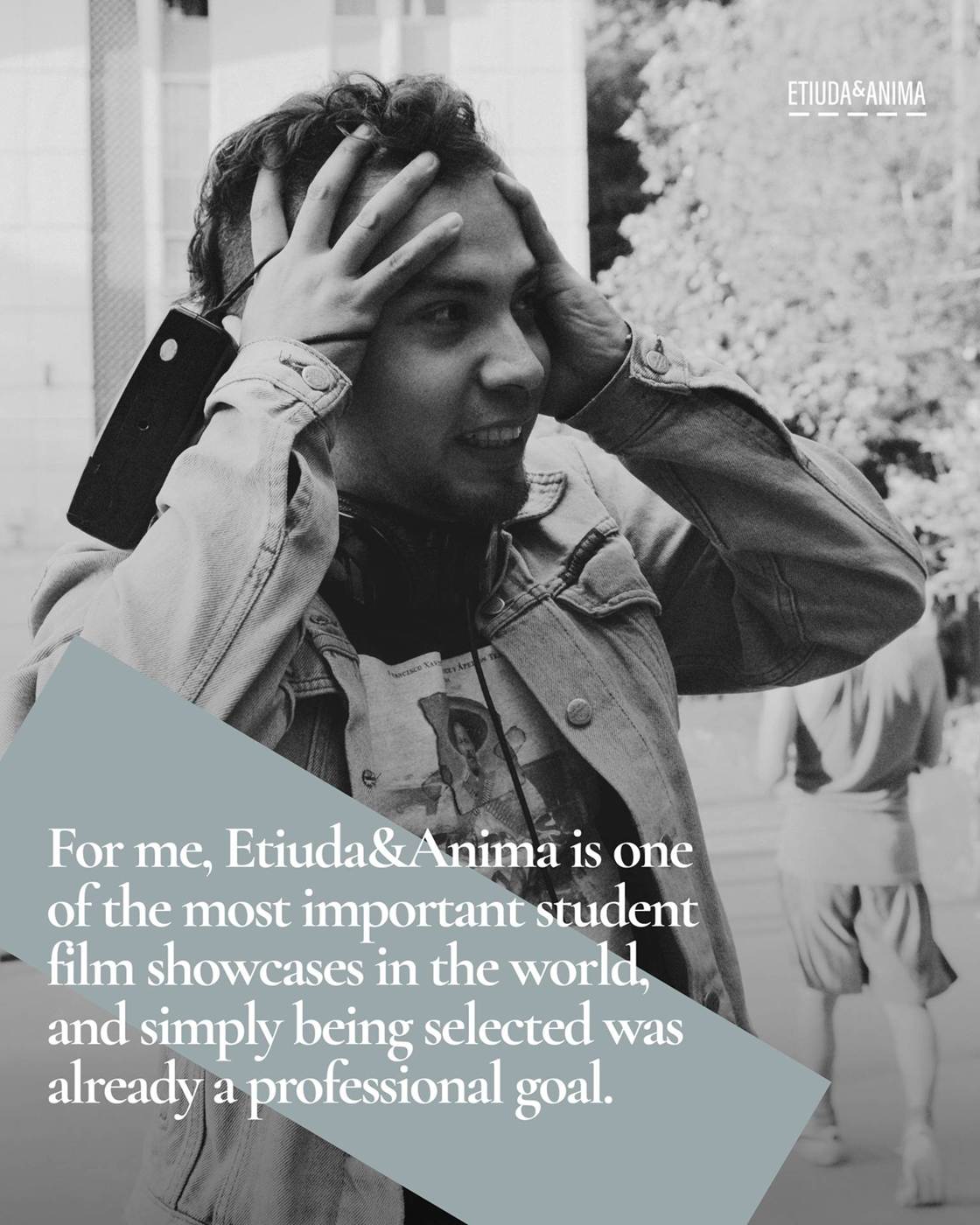
It’s honestly been incredible. For me, Etiuda&Anima is one of the most important student film showcases in the world, and simply being selected was already a professional goal.
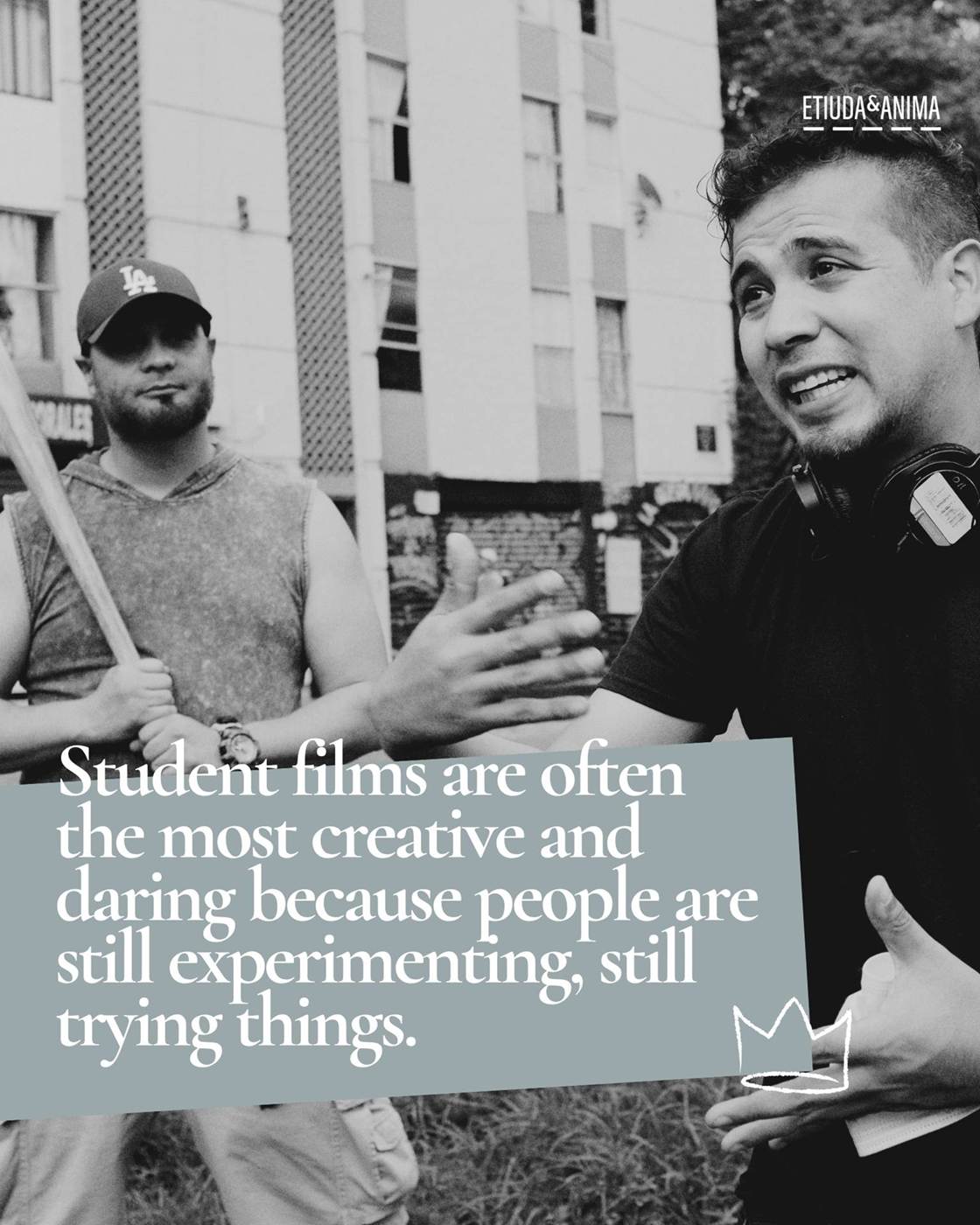
So winning the Golden Dinosaur was something I absolutely did not expect. Student films are often the most creative and daring because people are still experimenting, still trying things. That’s exactly what we tried to do with “Family Sunday.”
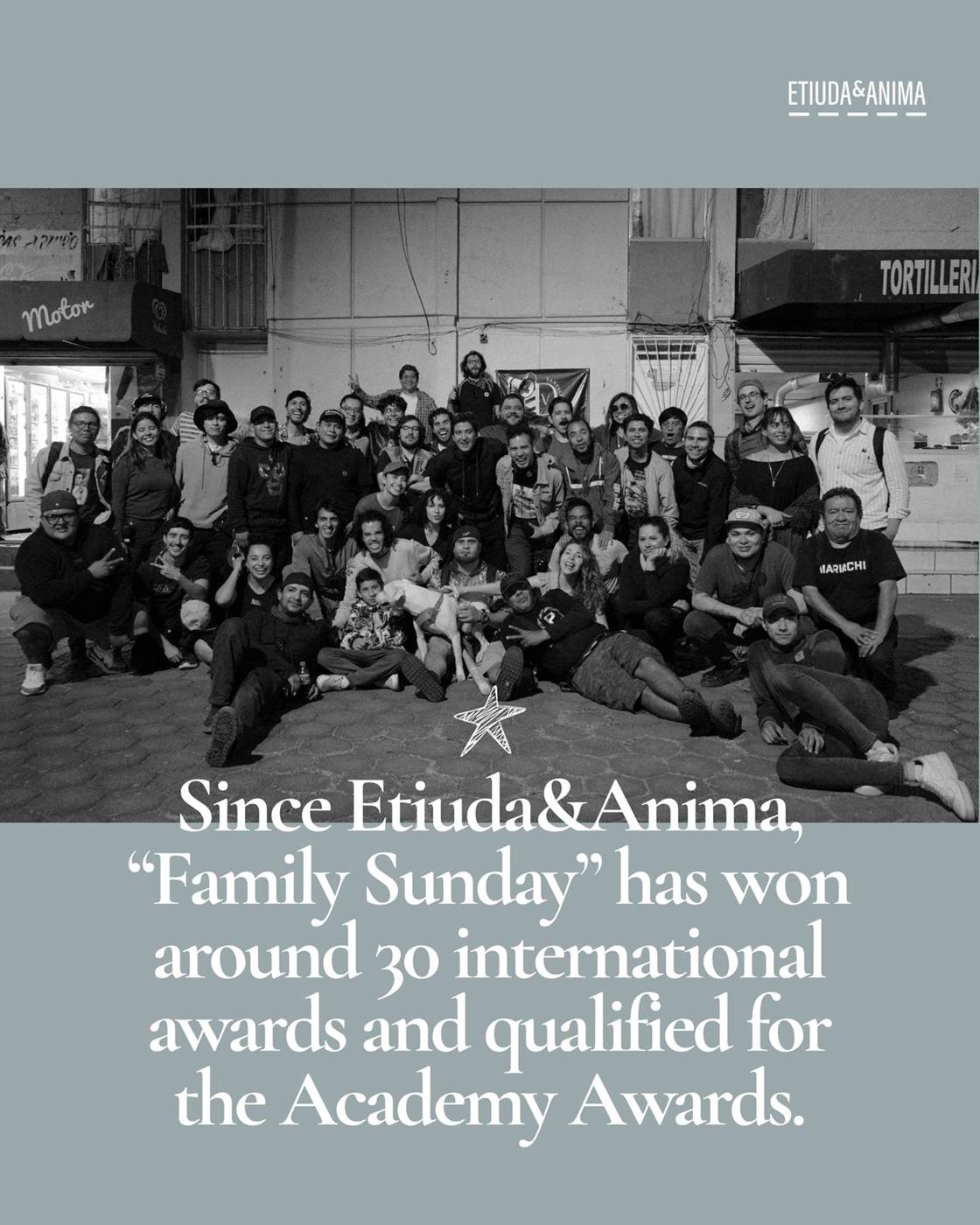
Since then, the film has won around 30 international awards.
Natalia:
Wow! Congratulations!
Gerardo:
Thank you. It’s honestly surreal. We won Best Film in Zagreb, the Ibero-American Award in Málaga, awards in Huesca, Poitiers, Mar del Plata, Havana… and we qualified for the Academy Awards.
Natalia:
That’s huge!
Gerardo:
It’s crazy, honestly. Most of these recognitions happened after Etiuda&Anima. It felt like everything suddenly started snowballing.
The film opened many doors professionally as well. Right now, I’m in conversations with both a French production company and an important American independent film company about developing my first feature film.
And all of this happened because of this short film.
/ The interview continues below /
Natalia:
How have audiences responded to the film itself? Were you surprised by the reactions?
Gerardo:
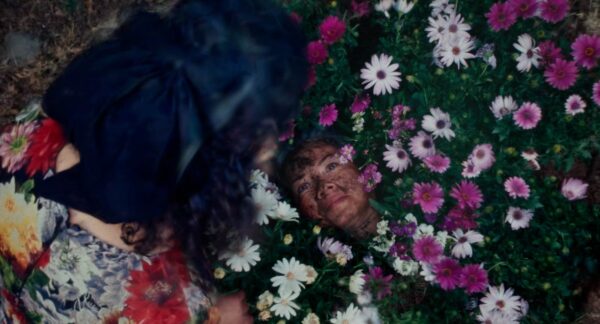
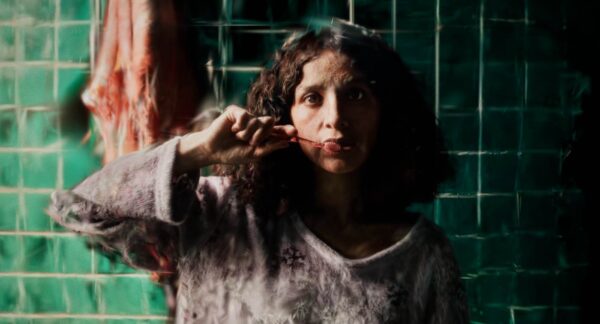
Yes. “Family Sunday” is a very aggressive film in some ways. It’s trying to reflect on violence in Mexico, but from a very specific perspective.
I didn’t expect such a strong response. I thought the film would maybe screen at a few festivals and that would be it. But people connected with it deeply.
A lot of viewers describe it as emotionally striking. I think audiences recognize that we approached the subject differently than many films dealing with violence in Latin America. People write to me on social media, on Letterboxd, and many compare the film to filmmakers like Michael Haneke, Ruben Östlund, Alejandro González Iñárritu, or the Dardenne brothers. For me, that’s an incredible honor.
Natalia:
Are those filmmakers important references for you?
Gerardo:
Definitely. Haneke, Iñárritu, Barry Jenkins, the Dardenne brothers—they’re all filmmakers I deeply admire.
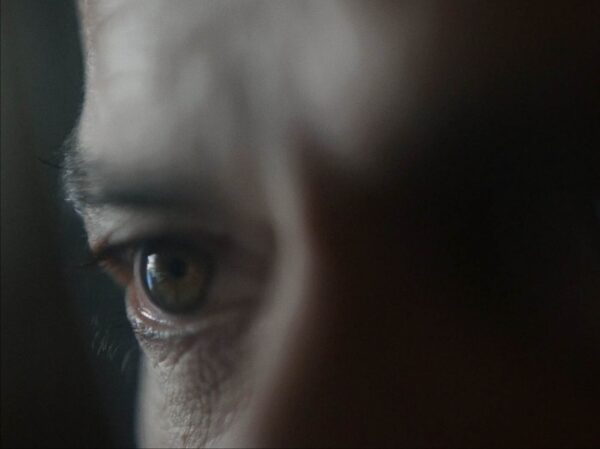
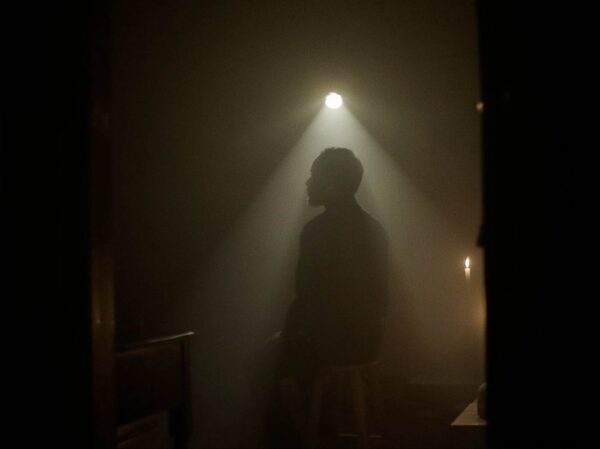
But for “Family Sunday,” one of my biggest inspirations was actually reality itself. I watched a lot of YouTube videos, security camera footage, documentary material. I wanted the film to feel almost like a documentary, even if it eventually becomes something more stylized and unsettling.
At the end of the day, reality is always the strongest inspiration for me.
Natalia:
What are you currently working on?
Gerardo:
After “Family Sunday,” many people expected me to make something similar again. But I didn’t want to repeat myself.
So I decided to make something completely different.
I’m currently finishing a very experimental hybrid film built from 3D scans and frame-by-frame imagery. It’s a very different tone, a different genre, a different visual language altogether.
I’m also writing my first feature film, which I hope to make within the next few years.
And honestly, festivals like Etiuda&Anima gave me something even more valuable than awards: they gave me hope.
They made me feel that my work is truly connecting with people, and that maybe I can actually become a serious filmmaker. That encouragement has been incredibly important to me.
/ The interview continues below /
Natalia:
Are there themes you feel particularly drawn to exploring in your work?
Gerardo:
I try to stay in dialogue with the world and with what’s happening around us.
I’m interested in communities, social structures, and especially people who are often ignored or considered insignificant.
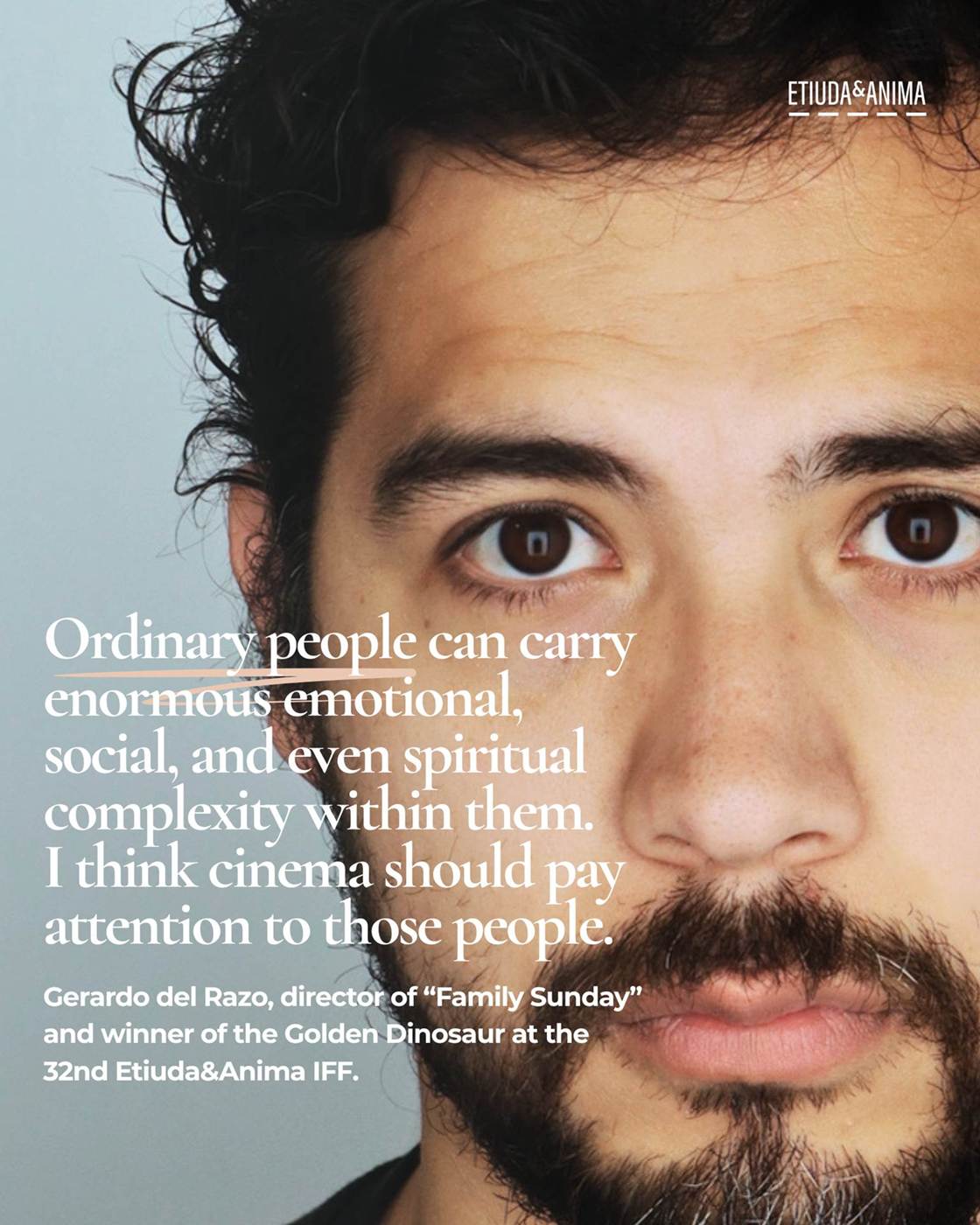
That’s something I learned from the Dardenne brothers—the idea that ordinary people can carry enormous emotional, social, and even spiritual complexity within them.
I think cinema should pay attention to those people.
Natalia:
Do you have any advice for people who are just beginning their filmmaking journey?
Gerardo:
Watch films. Go to festivals. Watch as many short films as you can from all over the world.
And creatively, I think limitations are very important.
When I make a film, I often give myself strict rules: maybe no dialogue, only two locations, or a very specific visual technique.
At first, limitations seem restrictive, but actually they force you to become more creative and resourceful.
That’s something I really believe in.
Natalia:
So you believe in constantly challenging yourself creatively?
Gerardo:
Absolutely.
People wanted “Family Sunday 2,” but I don’t want to repeat myself. If something already worked once, I don’t want to turn it into a trick or a formula. I want to keep searching for new forms.
Natalia:
If there’s one thing you’d want people to know about you—as a filmmaker or as a person—what would it be?
/ The interview continues below /
Gerardo:
Honestly, I don’t think filmmakers are the most important subject right now. There are much more urgent things happening in the world—wars, violence, persecution.
I think our attention should stay focused on those realities.
But personally, I would say this: I’ve failed many more times than I’ve succeeded.
And I think failure is important. You learn from it. You become more self-critical. You try again.
That’s something I really believe in.
Natalia:
That’s actually a very hopeful message.
Gerardo:
I think hope is important. Even in times of chaos and destruction, we have to keep believing that people can become better.
That’s what cinema means to me. Films often show terrible things happening—but they also remind us that other possibilities exist.
That belief is what keeps me going.
Natalia:
Thank you so much for this conversation—and congratulations again on everything you and your team have achieved.
Gerardo:
Thank you. I’m very grateful—to you, to the festival, and to everyone who continues supporting cinema and short films. It really means a lot.
Follow Gerardo @gerardodelrazo on Instagram to stay up to date with his upcoming projects and festival journey













Zapisz się do newslettera wypełniając pola poniżej. Postaramy się Cię uszczęśliwić.
Subscribe to the newsletter by filling in the fields below. We will try to make you happy.